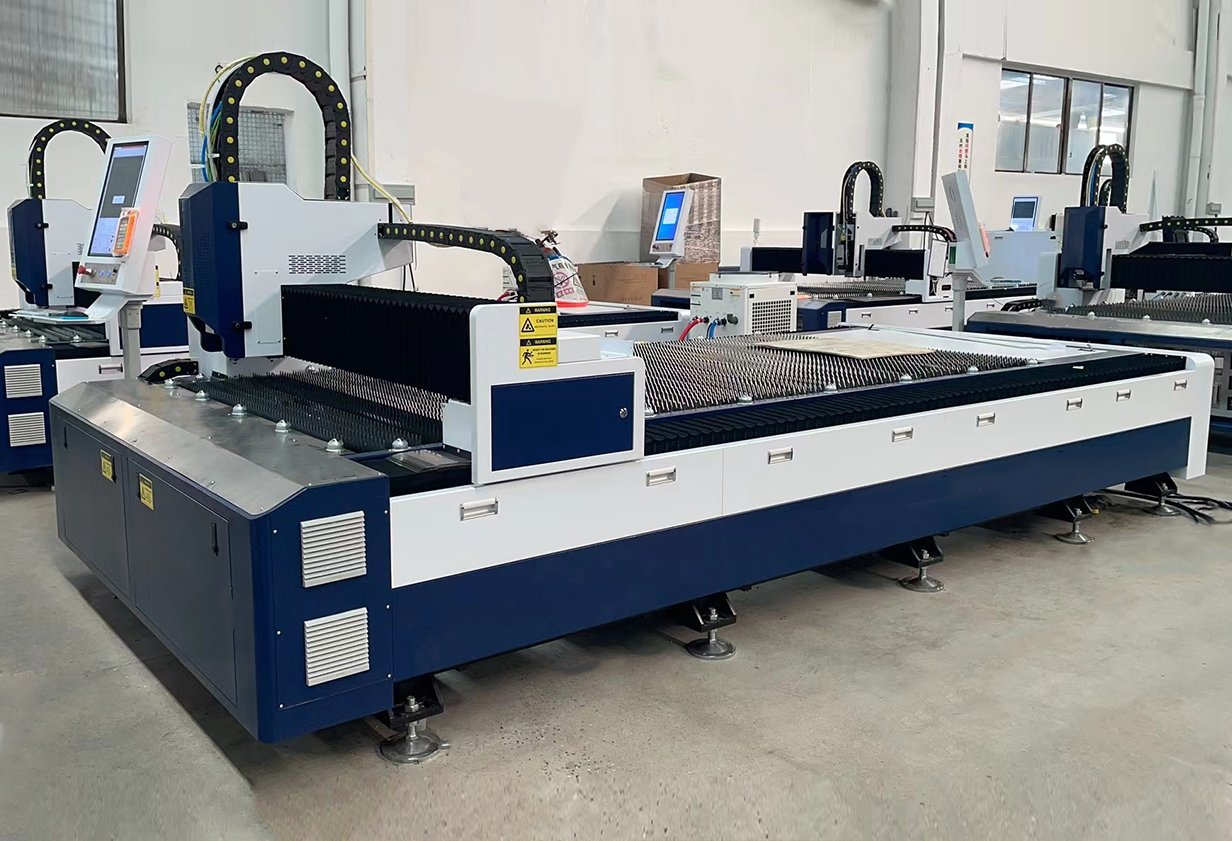
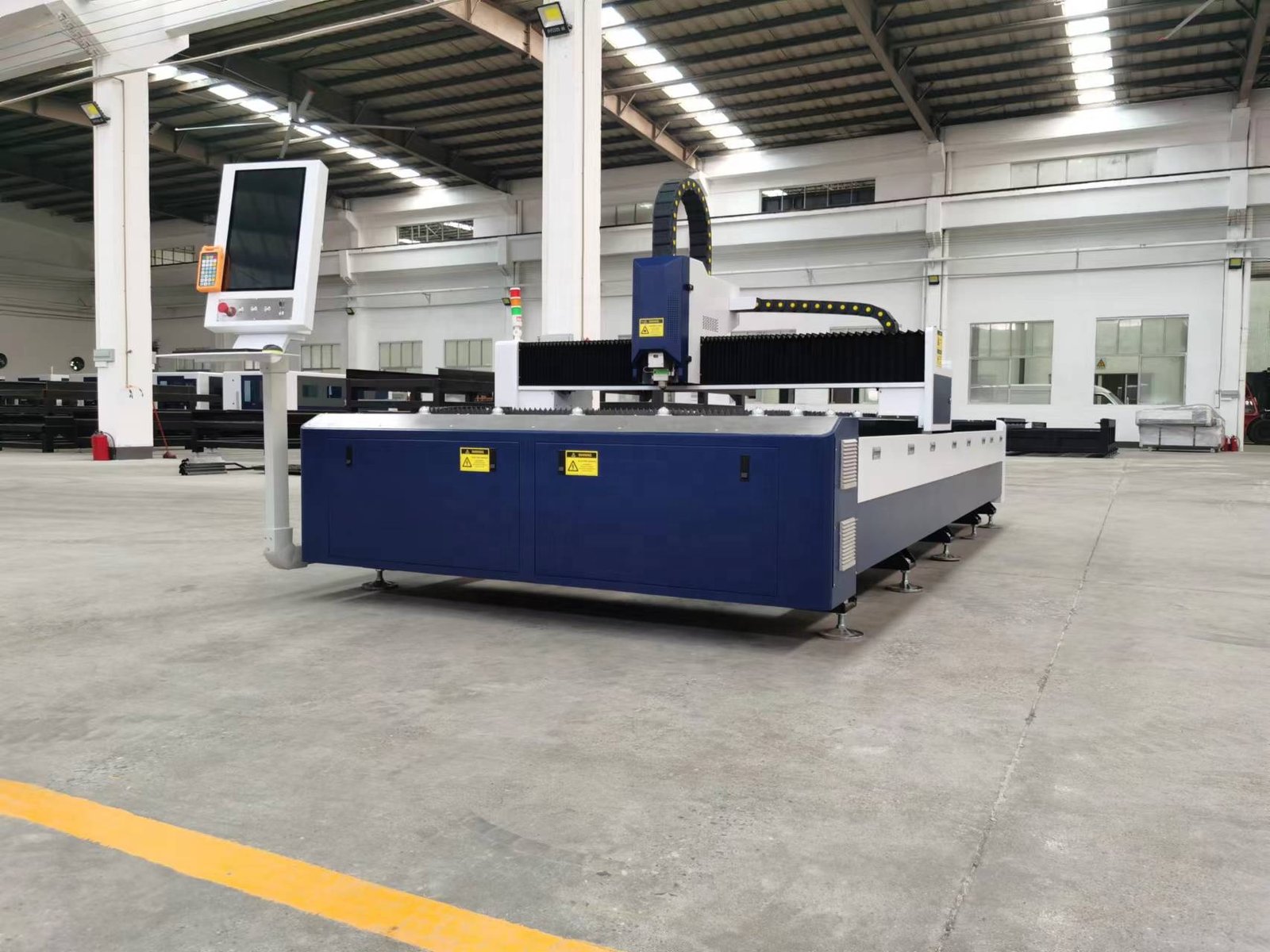
Laser cutting machines have become indispensable in modern manufacturing, enabling industries to cut, engrave, and shape materials with unmatched precision. Among the most widely used technologies are CO₂ laser cutting machines, fiber laser cutting machines, and diode laser cutting machines. Each type has unique strengths, limitations, and applications.
This in-depth guide explores the working principles, advantages, disadvantages, costs, and best-use cases of these three laser technologies. By the end, you’ll have a clear understanding of which machine type is best suited for your business or project.
Table of Contents
- Introduction to Laser Cutting Technology
- How Laser Cutting Machines Work
- Overview of the Three Main Types
- CO₂ Laser Cutting Machines
- Fiber Laser Cutting Machines
- Diode Laser Cutting Machines
- Detailed Comparison: CO₂ vs Fiber vs Diode
- Applications Across Industries
- Cost Analysis and ROI Considerations
- Safety and Maintenance Guidelines
- Future Trends in Laser Cutting Technology
- Conclusion
1. Introduction to Laser Cutting Technology
Laser cutting is a non-contact manufacturing process that uses a focused beam of light to cut or engrave materials. Unlike mechanical cutting, which relies on physical force, laser cutting melts, burns, or vaporizes material with extreme precision.
The global laser cutting machine market is projected to grow at a CAGR of over 12% between 2024 and 2032, driven by demand in automotive, aerospace, electronics, and renewable energy sectors.
2. How Laser Cutting Machines Work
Step 1: Laser Generation
- CO₂ lasers generate infrared light using a gas mixture.
- Fiber lasers use optical fibers doped with rare-earth elements.
- Diode lasers rely on semiconductor diodes.
Step 2: Beam Delivery
The laser beam is directed through mirrors or fiber optics to the cutting head.
Step 3: Focusing
A lens focuses the beam into a tiny spot, often less than 0.2 mm in diameter.
Step 4: Material Interaction
The focused beam melts or vaporizes the material. Assist gases (oxygen, nitrogen, compressed air) blow away molten debris.
Step 5: CNC Control
Computer Numerical Control (CNC) software ensures precise movement along programmed paths.
3. Overview of the Three Main Types
CO₂ Laser Cutting Machines
- Working Principle: Gas discharge excites CO₂ molecules to produce infrared light.
- Strengths:
- Excellent for non-metals (wood, acrylic, textiles, plastics).
- Smooth cutting edges.
- Affordable entry-level machines.
- Limitations:
- Less efficient for metals.
- Higher maintenance (mirrors, lenses).
- Best For: Signage, furniture, packaging, textiles.
Fiber Laser Cutting Machines
- Working Principle: Light is amplified through fiber optics doped with ytterbium.
- Strengths:
- High efficiency (30–40% vs CO₂’s 10–15%).
- Superior for metal cutting (steel, aluminum, copper, brass).
- Low maintenance, long lifespan.
- Limitations:
- Higher upfront cost.
- Less effective on non-metals.
- Best For: Automotive, aerospace, electronics, heavy industry.
Diode Laser Cutting Machines
- Working Principle: Semiconductor diodes emit laser light directly.
- Strengths:
- Compact and energy-efficient.
- Affordable for hobbyists and small businesses.
- Great for engraving and light cutting.
- Limitations:
- Limited power output.
- Not suitable for thick metals.
- Best For: DIY projects, small workshops, educational use.
4. Detailed Comparison: CO₂ vs Fiber vs Diode
| Feature | CO₂ Laser | Fiber Laser | Diode Laser |
|---|---|---|---|
| Wavelength | 10.6 μm | 1.06 μm | 450–980 nm |
| Best Materials | Non-metals | Metals | Light materials |
| Efficiency | 10–15% | 30–40% | 20–25% |
| Cutting Speed | Moderate | Fastest | Slow |
| Maintenance | High | Low | Low |
| Cost | Medium | High | Low |
| Applications | Signage, wood, acrylic | Automotive, aerospace, heavy industry | DIY, engraving, education |
5. Applications Across Industries
- Automotive: Fiber lasers for cutting body panels, exhaust systems.
- Aerospace: Fiber lasers for titanium and composites.
- Electronics: Diode lasers for PCB engraving.
- Medical Devices: Fiber lasers for surgical tools and implants.
- Fashion & Textiles: CO₂ lasers for fabric cutting.
- Advertising: CO₂ lasers for acrylic signage.
6. Cost Analysis and ROI Considerations
- CO₂ Machines: $5,000–$80,000 depending on size and power.
- Fiber Machines: $30,000–$500,000 for industrial-grade systems.
- Diode Machines: $200–$5,000 for desktop models.
ROI Factors:
- Material type and thickness.
- Production volume.
- Energy efficiency.
- Maintenance costs.
7. Safety and Maintenance Guidelines
- Always wear laser safety glasses.
- Ensure proper ventilation to remove fumes.
- Regularly clean lenses and mirrors.
- Follow manufacturer’s maintenance schedules.
- Train operators thoroughly.
8. Future Trends in Laser Cutting Technology
- AI-driven automation for predictive maintenance.
- Higher power fiber lasers for faster cutting.
- Eco-friendly solutions with lower energy consumption.
- Integration with Industry 4.0 smart factories.
9. Conclusion
Choosing between CO₂, fiber, and diode laser cutting machines depends on your materials, budget, and production needs.
- CO₂ lasers excel in non-metal applications like signage and textiles.
- Fiber lasers dominate in metal-heavy industries such as automotive and aerospace.
- Diode lasers are perfect for hobbyists, small businesses, and educational use.
By understanding the strengths and limitations of each type, businesses can make informed decisions that maximize efficiency, reduce costs, and stay competitive in a rapidly evolving manufacturing landscape.